/filters:format(jpeg,png)/fit-in/300x300/users/336f57d5-1fdc-430a-ab07-1e1b49691db0/company-logo/img_0710.webp)
/filters:format(jpeg,png)/fit-in/237x80/users/336f57d5-1fdc-430a-ab07-1e1b49691db0/company-logo/img_0710.webp)
//users/336f57d5-1fdc-430a-ab07-1e1b49691db0/ratecard/pexels-fred-9686184.jpg)
%2Ffit-in%2F300x300%2Fusers%2F336f57d5-1fdc-430a-ab07-1e1b49691db0%2Fratecard%2Fpexels-fred-9686184.jpg&w=256&q=75)
%2F300x300%2Fusers%2F336f57d5-1fdc-430a-ab07-1e1b49691db0%2Fimages%2Fbest-outdoor-adventures-fl-2605.jpg&w=256&q=75)
%2F300x300%2Fusers%2F336f57d5-1fdc-430a-ab07-1e1b49691db0%2Fimages%2Fbest-outdoor-activities-fl-2507.png&w=256&q=75)
%2F300x300%2Fusers%2F336f57d5-1fdc-430a-ab07-1e1b49691db0%2Fimages%2Fflorida-city-outdoor-activities-2321.jpg&w=256&q=75)
%2F300x300%2Fusers%2Fa79adb74-76a3-42fb-9008-e47f78bc9b1b%2Fimages%2Fflorida-city-adventure-tour-3070.jpg&w=256&q=75)
%2F300x300%2Fusers%2Fa79adb74-76a3-42fb-9008-e47f78bc9b1b%2Fimages%2Frainbow-trout-florida-2385.jpg&w=256&q=75)
%2F300x300%2Fusers%2Fa79adb74-76a3-42fb-9008-e47f78bc9b1b%2Fimages%2Fadventurous-florida-getaway-2326.png&w=256&q=75)
%2F300x300%2Fusers%2Fa79adb74-76a3-42fb-9008-e47f78bc9b1b%2Fimages%2Fflorida-fishing-adventure-2379.png&w=256&q=75)
%2F300x300%2Fusers%2Fa79adb74-76a3-42fb-9008-e47f78bc9b1b%2Fimages%2Fflorida-city-adventure-tour-2285.png&w=256&q=75)
%2F300x300%2Fusers%2Fa79adb74-76a3-42fb-9008-e47f78bc9b1b%2Fimages%2Fflorida-city-water-sports-cruise-2525.png&w=256&q=75)
%2F300x300%2Fusers%2Fa79adb74-76a3-42fb-9008-e47f78bc9b1b%2Fimages%2Frainbow-trout-florida-city-2329.png&w=256&q=75)
Expert Guided Adventure Tours A Fish With Ray

 Florida, Florida
What you will be catching:
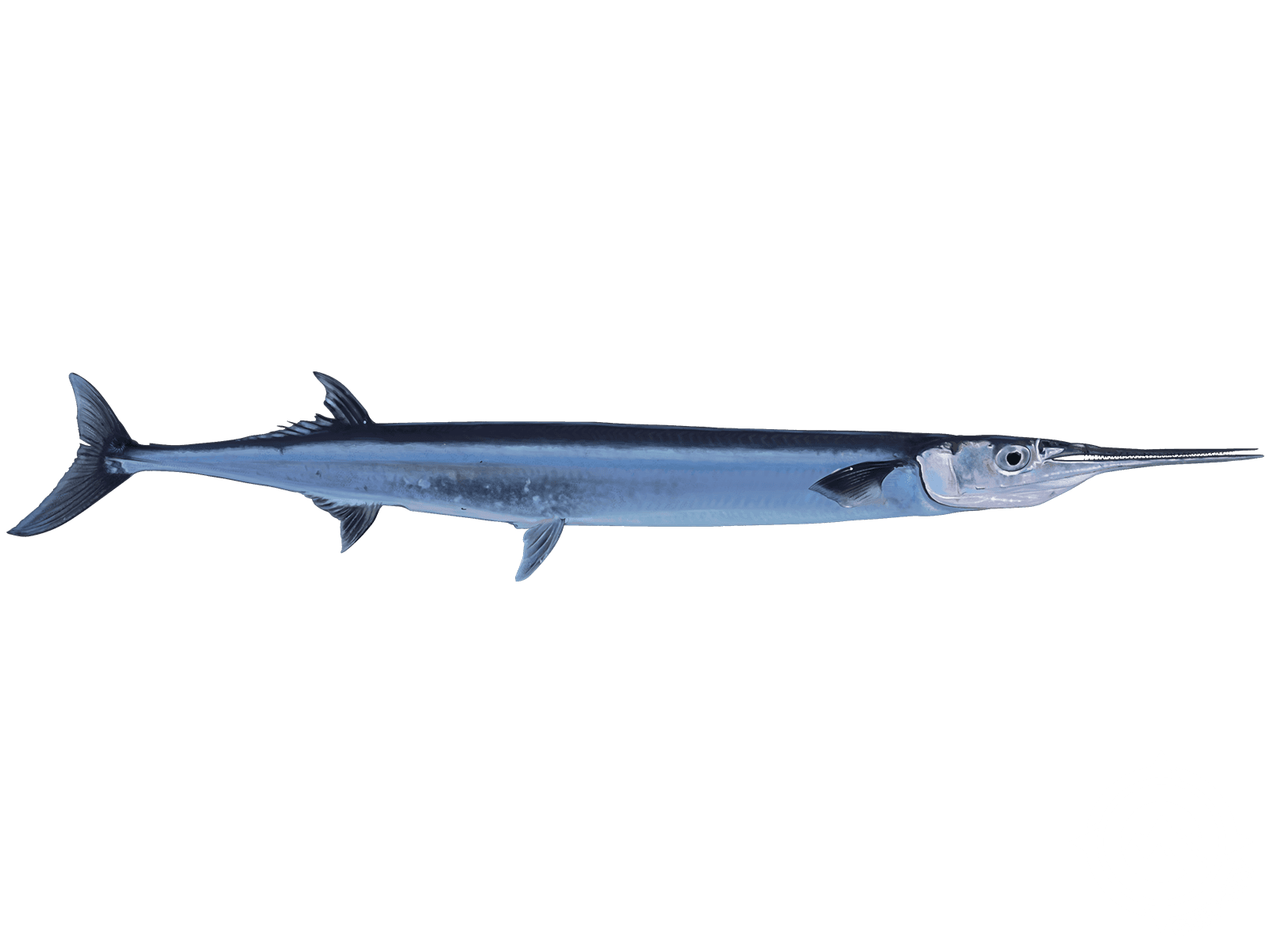
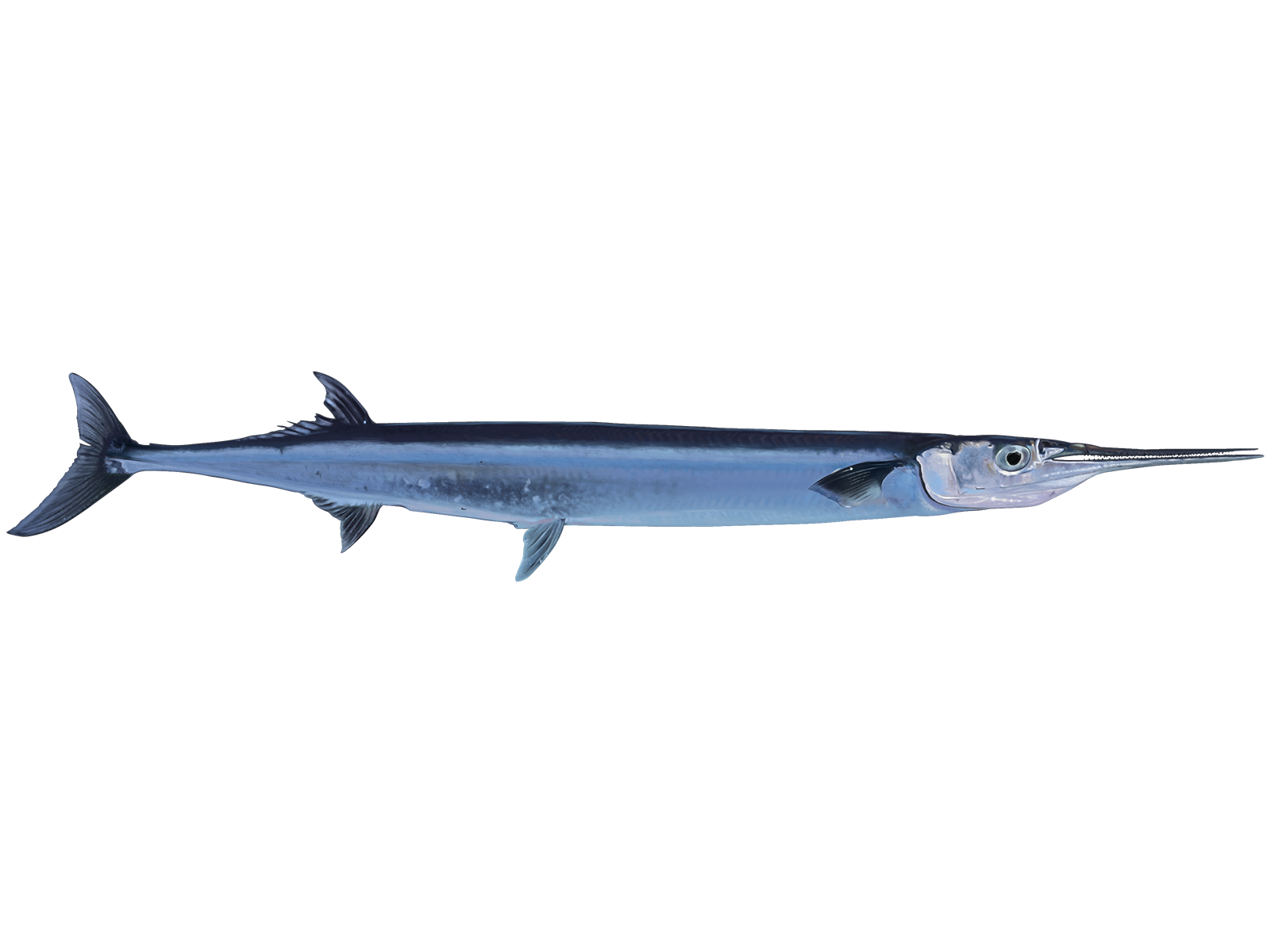 Agujon Needlefish
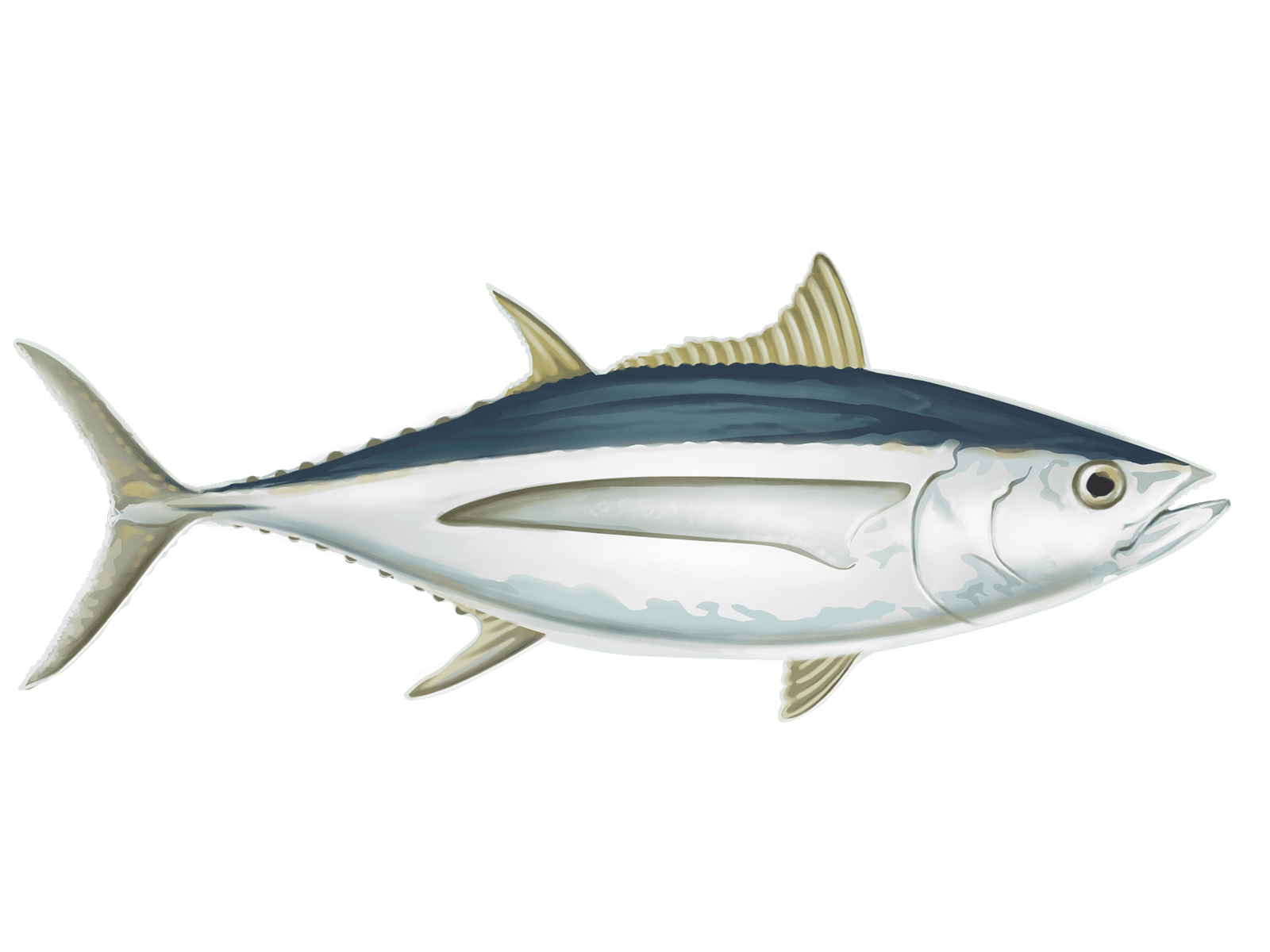
 Albacore Tuna
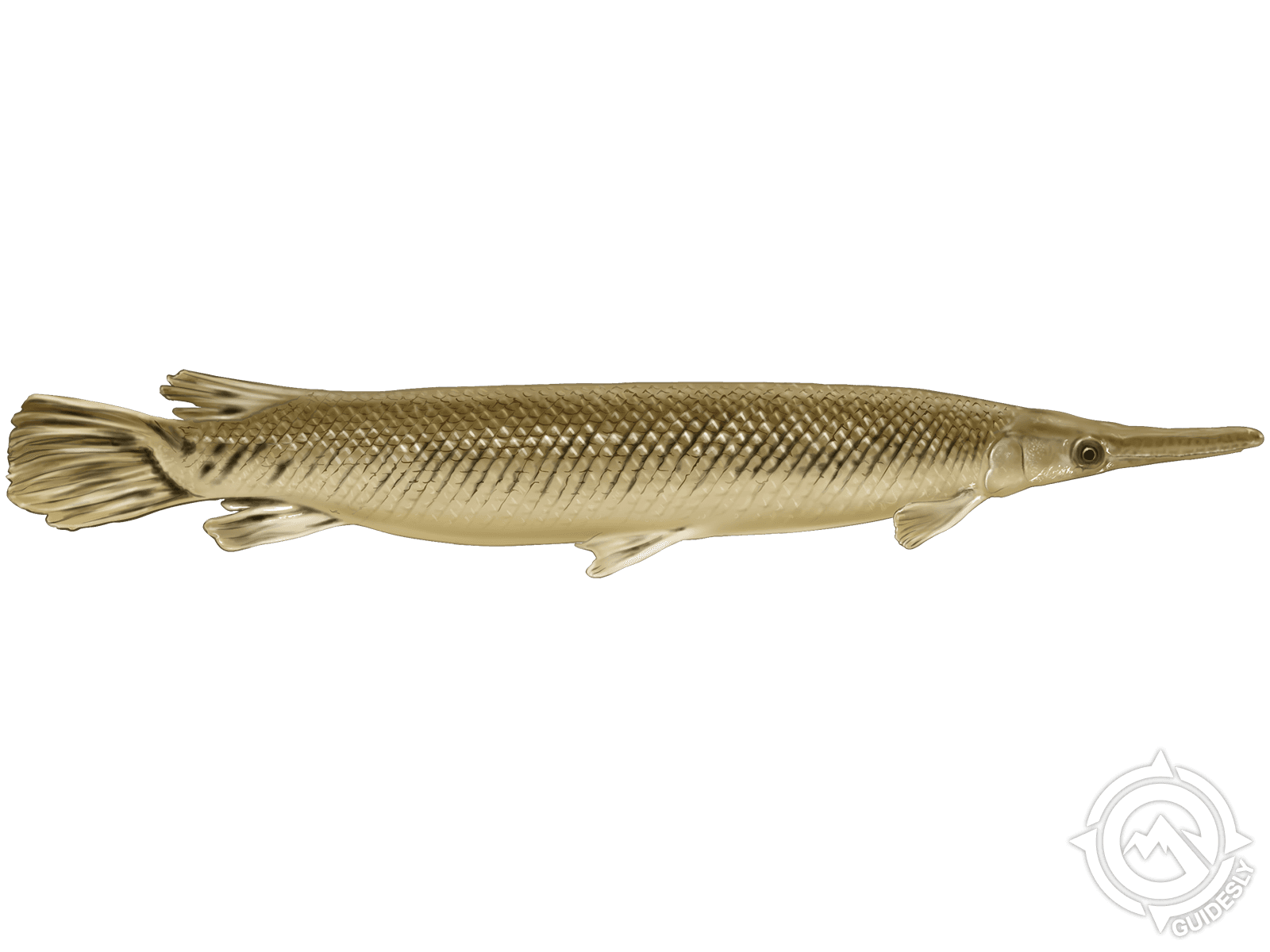
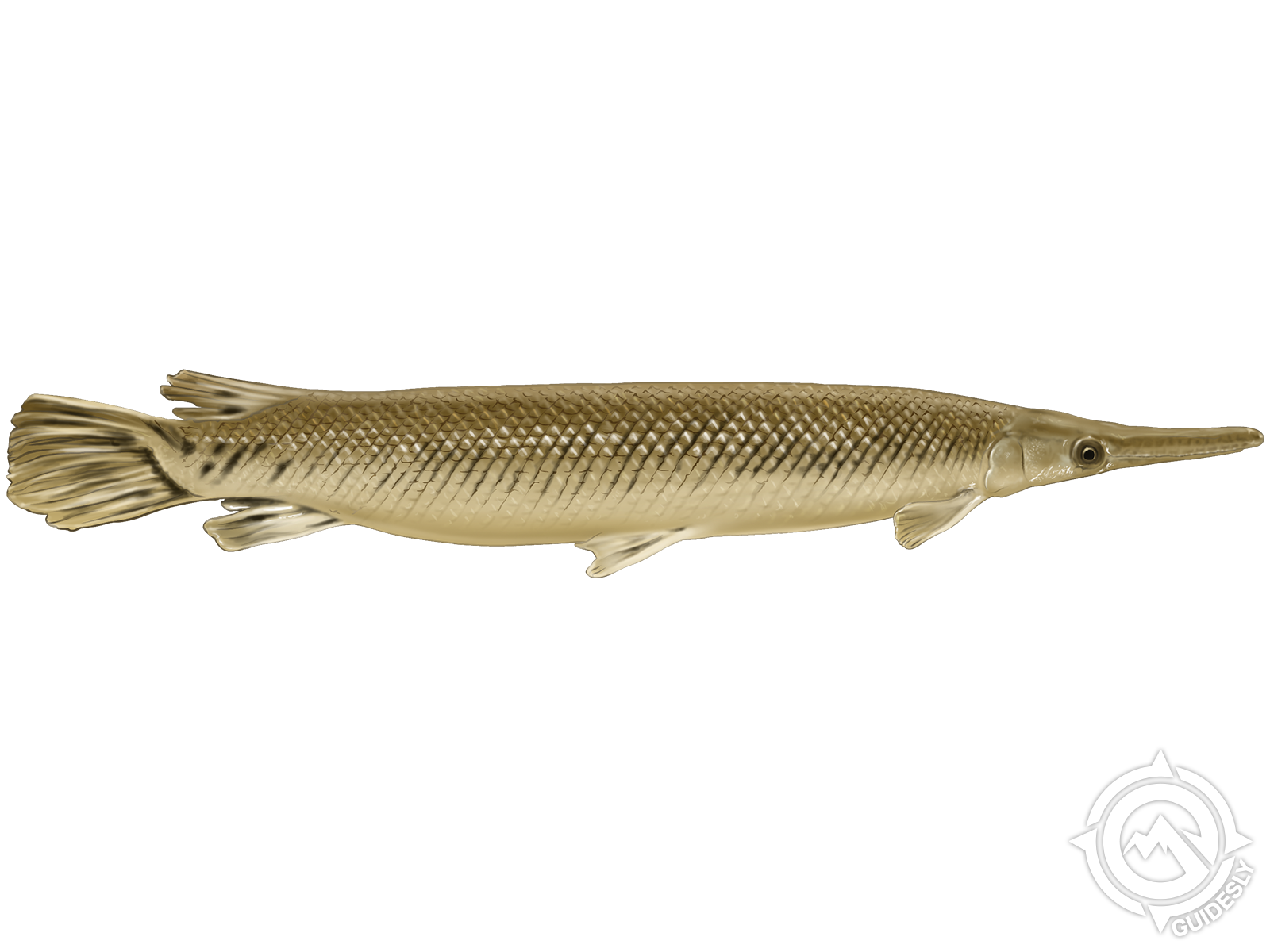 Alligator Gar
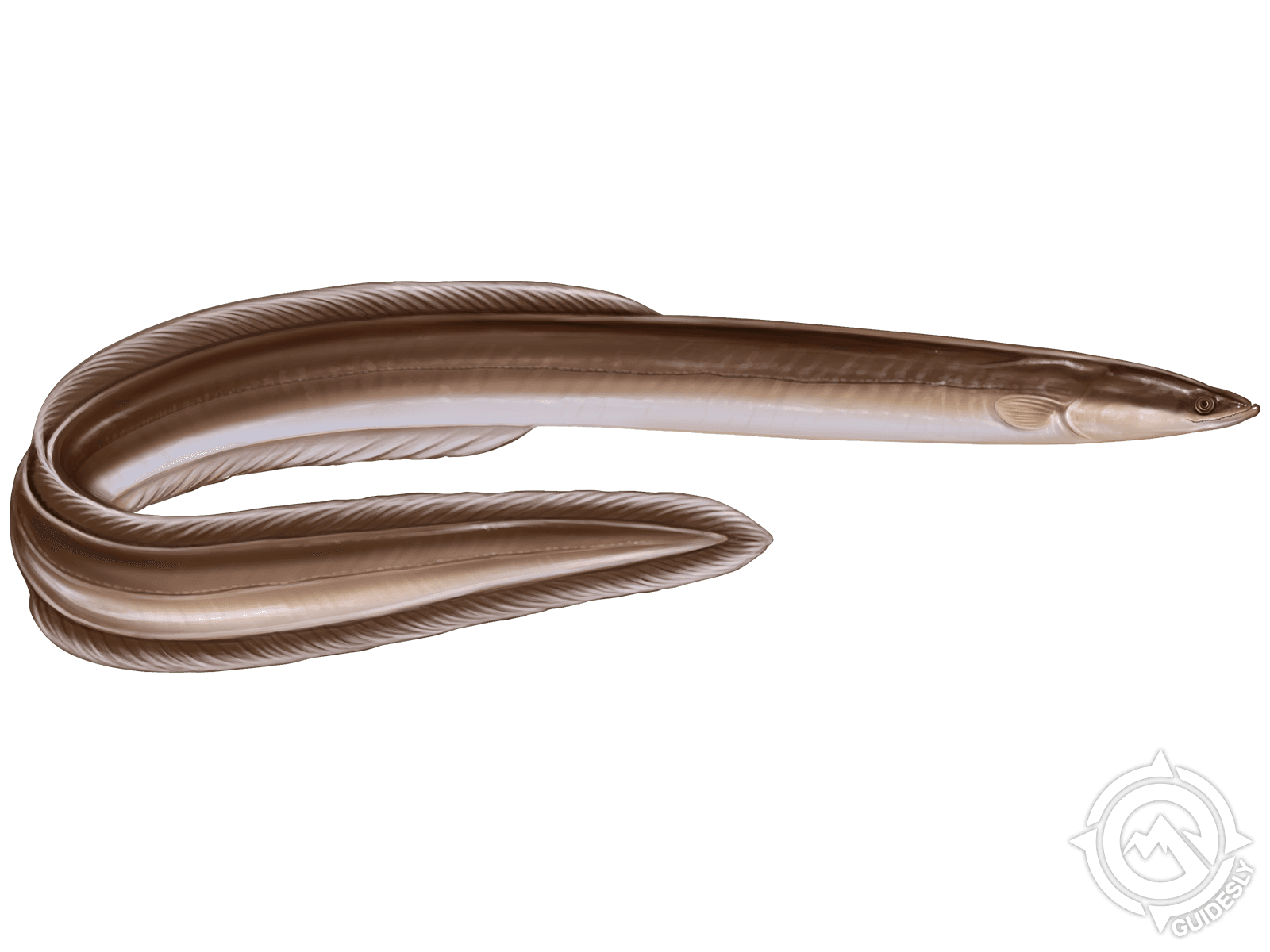
 American Eel
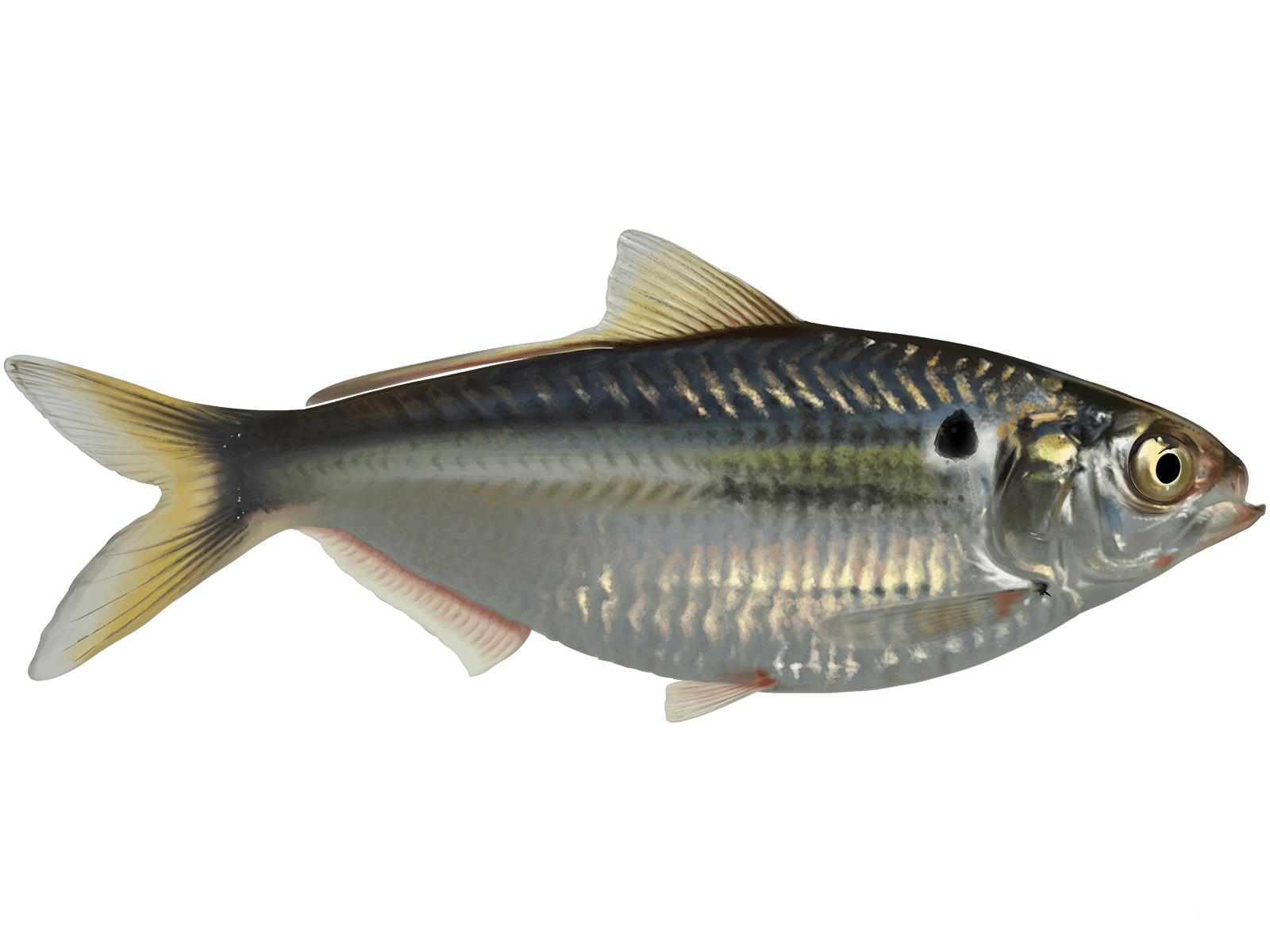
 American Gizzard Shad
- Private fishing adventure with expert gear and guidance
- Explore multiple prime fishing locations for optimal catches
- Safety-focused trip designed for single guest experience
Trip Pricing and Availabilities :
Tours A - World-Class Fishing Adventure
Looking for a fishing adventure that delivers on every level? Fish With Ray's Tours A puts you right where the action happens. This isn't your typical afternoon casting from shore – we're talking about a full-day fishing experience designed for serious anglers who want to target some of the most sought-after species in these waters. With just one guest per trip, you get personalized attention that makes all the difference between coming home with stories and coming home with trophy fish.
What to Expect on the Water
Your day starts early and ends late, but trust me, you won't want it any other way. We've got you covered from sunrise to sunset with breakfast, lunch, and dinner included – because nobody fishes well on an empty stomach. The single-guest capacity means this is your trip, tailored to your skill level and fishing goals. Whether you're a weekend warrior looking to up your game or an experienced angler chasing specific species, we adapt our approach to match what you're after. The boat is equipped with top-rated gear, but feel free to bring your lucky rod if it means that much to you. We'll hit multiple spots throughout the day, reading the water and following the fish rather than sticking to one location and hoping for the best.
Techniques & Prime Locations
We mix up our methods based on what's biting and where we find them. Some days that means trolling the deeper waters with live bait, other times we're working structure with jigs and soft plastics. The beauty of a personalized trip is switching tactics on the fly – if the albacore are running, we'll chase them down with the right setup. When we're targeting gar in the shallows, we switch to heavier tackle and focus on patience and precision. Safety gear is always on board and briefed before we head out, but it's the kind of precaution that becomes second nature after a few trips. We carry backup equipment for everything that matters, so a broken line or lost lure won't derail your day. GPS helps us return to productive spots, but reading the water conditions and adjusting our plan is where experience really pays off.
What Anglers Are Saying
"guide name" - Soundarya
"Had a nice day trip" - Soundarya
Species You'll Want to Hook
Albacore Tuna are the speed demons of our target list, and for good reason. These fish hit hard and run fast, testing your drag system and your arms in equal measure. Spring through early fall gives you the best shot at hooking into schools of albacore, typically in the 15-40 pound range. They're incredible table fare, which makes the fight even more rewarding. When we locate a school, it's game on – multiple hookups aren't uncommon, and the adrenaline rush of watching your rod double over never gets old.
Agujon Needlefish might look unusual, but they're customer favorites for their acrobatic fights and surprising strength. These silver torpedoes love to jump when hooked, putting on a show that's half the fun of catching them. They tend to hunt in shallow, clear water during warmer months, often near the surface where you can actually see them before you cast. Their needle-like jaws require a bit of finesse to hook properly, but once you've got one on, they'll dance across the water like few other species can manage.
American Gizzard Shad are often overlooked by trophy hunters, but they're essential to understanding these waters. They school up in massive numbers during their spawning runs, creating feeding frenzies that attract larger predators. While they might not be the glamour species, landing a few early in the day often means we're in the right area for bigger fish. They're also excellent bait fish, so catching some can set you up for success with other target species later in the trip.
Alligator Gar are prehistoric monsters that bring a completely different energy to your fishing day. These ancient fish can live over 50 years and grow massive – we're talking potential for fish over 100 pounds in the right conditions. They prefer warmer months and often hunt in shallow, weedy areas where their ambush style works best. Landing a big gar is like wrestling with a piece of living history, and their armor-like scales and primitive appearance make for photos that'll impress even non-anglers back home.
American Eel rounds out our target species with their mysterious lifecycle and surprisingly strong fights. These snake-like fish are most active during low-light conditions, making early morning and evening prime time for targeting them. They're found in both fresh and saltwater environments during different life stages, which keeps things interesting from a fishing perspective. Eels are notorious for their ability to tie your line in knots – literally – so landing one clean is always satisfying. They're also prized in certain culinary circles, adding another dimension to your catch.
Time to Book Your Spot
This single-angler format books up fast, especially during peak seasons when the fish are most active. The personalized attention and all-day commitment means you're getting maximum value from your time on the water. With meals handled and gear provided, all you need to bring is your fishing license and the desire to target some seriously diverse species. The variety of fish we're after means every trip is different – you might start the day chasing tuna and end it battling gar, with plenty of action in between. Don't wait until the week you want to fish; the best dates fill up well in advance, and weather make-up days are easier to arrange when you book early.
Customer Reviews
Guide Name Magic

Soundarya Shan
March 16, 2026
Perfect Day Trip
Had a nice day trip
Soundarya S
March 17, 2026
Learn more about the animals
Agujon Needlefish
These long, slender fish with their distinctive spear-like jaws typically run around 35 inches, though they can hit 5 feet and 8 pounds. You'll spot them in shallow waters near reefs and cruising the surface hunting for small fish and zooplankton. They're scattered from Massachusetts down to Brazil in the Western Atlantic. The needle-nose design makes them aggressive bait stealers, but that's also what makes them fun - they'll hit almost anything. Most folks target them for the unique challenge and their willingness to bite. They're edible but have green-colored flesh, so many anglers practice catch and release. Best lures are shiny spoons or jerkbaits like Crystal Minnows. Here's the key trick: use sharp hooks and give a quick jerk when you feel the bite - they're notorious for mouthing bait without getting hooked properly.
Albacore Tuna
These bullet-shaped speedsters run 18-25 inches and 20-45 pounds, though some get bigger. They're built for constant motion - gotta keep moving to breathe. You'll find them in deep subtropical and temperate waters on both coasts. Spring through summer is prime time when they're spawning and feeding actively during daylight hours. What makes albacore special is the meat - it's the only tuna that can legally be sold as "white meat tuna" with that firm texture and mild flavor. They travel in massive schools up to 19 miles wide, so when you find them, it's game on. Best approach is trolling with cedar plugs or tuna feathers about 50-90 feet behind the boat. Pro tip: land that first fish clean - if it gets away, the whole school usually follows it out of the area.
Alligator Gar
These prehistoric giants reach 4-6 feet and 100+ pounds with their distinctive alligator-like snouts packed with razor teeth. They hang in deep river bends, backwaters, and lakes throughout the southern states - Mississippi, Texas, Arkansas, Florida, and Oklahoma. Late summer during hot, dry weather is prime time when they're in shallow areas near deeper water. What draws anglers is the sheer size and prehistoric look of these living fossils with their bone-like scales. They can breathe air and water, making them unique fighters. Most states require catch and release, so it's about the experience. They're ambush predators that prefer cut bait like carp, buffalo, or gizzard shad on 5/0-6/0 treble hooks under a bright bobber. Key tip: be patient - they'll mouth bait for a while before committing, so don't set the hook too early.
American Eel
These snake-like bottom dwellers run 1-4 feet long and 8-17 pounds, with slimy, muscular bodies that make them strong fighters. They burrow in muddy bottoms of streams, lakes, and rivers from the Atlantic coast inland to the Great Lakes and Mississippi drainage. Warmer months are best since they go dormant when water drops below 40 degrees. People target them for their unique fight and excellent eating - they're considered a delicacy in many places. Their slippery nature and ability to hide in structure makes them a real challenge. They're ambush predators that come out at night to feed. Look for them around rocky areas, fallen trees, or muddy banks where they can tunnel in. The trick is fishing at dusk or after dark with worms or small fish on the bottom - they rely on scent more than sight, so fresh bait is key.
American Gizzard Shad
These silvery, oblong-bodied fish typically run 8-14 inches, though they can reach 20 inches and a couple pounds. You'll find schools of them in large lakes, reservoirs, and muddy-bottom areas throughout most of the country - they've spread far from their original northeastern range. They're year-round residents but easier to catch during warmer months when they're more active. Most anglers target gizzard shad as premium baitfish for bass, walleye, catfish, and stripers. Their strong, oily scent drives gamefish crazy. They're filter feeders with huge appetites, so they school up in productive areas. A cast net is your best bet for grabbing several at once, but if you're using rod and reel, try a flasher rig with multiple small hooks. The trick is finding their schools - look for dimples on the surface where they're feeding on plankton.
guide name